.jpg)


Patterns of racial/ethnic groups interactions

Racial/ethnic groups interactions are getting more important as time progresses. Having interactions means that you can learn and understand one another's culture and perspectives. Patterns of racial/ethnic groups interactions can exist under 4 main forms which are pluralism, assimilation, segregation, and genocide.
Pluralism happens when different racial/ ethnic groups acknowledge each other’s differences but still choose to respect and access each other’s culture. It is a system in which multiple groups with various beliefs, principles, etc. all coexist. This form of interaction acknowledges that the answer to a question may vary and that there is more than one truth to the origin of the world.
Assimilation is the form of interaction when a minority group starts to resemble the culture of the majority racial/ethnic group. The process is finished when the culture of the minority group is fully absorbed into the majority’s culture. Naturally, assimilation happens as a result of close geographic contact between groups. However, assimilation can also be forced under military pressure and/or governmental programs.
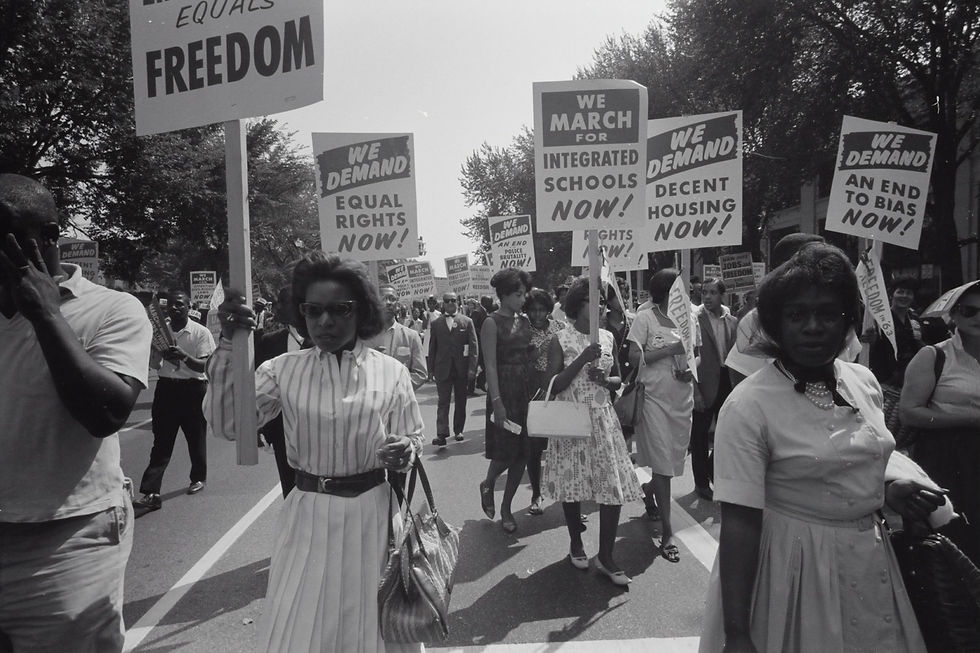
Segregation is the separation of one or many minority groups away from the major racial/ethnic group. This system is meant to separate different groups from each other, creating a clan of second-class citizens. This system exists under the premise that different groups are incapable of coexisting.
Genocide is the act of intentionally annihilating a group of people due to their ethnicity, nationality, race, or religion. It is the most extreme form of interactions out of the four. Once again, this happens due to the extremism in the incapability of coexistence between groups.
Our social problem right now is to get people educated on patterns of racial/ethnic groups interactions. People must know and understand well in terms of definition and social issues relating to it.
Mô hình của sự tương tác giữa các chủng tộc/ dân tộc
Sự tương tác giữa các chủng tộc/dân tộc đang ngày càng trở nên quan trọng qua thời gian. Tương tác ở đây có nghĩa là bạn có thể học hỏi và tìm hiểu quan điểm của nhau. Các mô hình của sự tương tác giữa các chủng tộc tồn tại dưới 4 hình thức chính là đa nguyên, đồng hoá, phân biệt và diệt chủng.
Đa nguyên là mô hình mà các nhóm chủng tộc/sắc tộc thừa nhận sự khác biệt của nhóm khác nhưng vẫn tôn trọng và tiếp cận văn hoá của nhau. Đây là hệ thống mà trong đó các nhóm chủng tộc/sắc tộc song hành và cùng tồn tại. Mô hình tương tác này cho rằng có nhiều câu trả lời cho một câu hỏi và tin rằng thế giới có thể có nhiều hơn một nguồn gốc.
Đồng hóa là hình thức tương tác khi một nhóm thiểu số dần dần mất bản sắc của mình và hoà vào văn hóa của nhóm đa số. Quá trình này kết thúc khi văn hóa của nhóm thiểu số hoàn toàn bị đồng hoá vào văn hoá của nhóm đa số. Thuận tự nhiên, sự đồng hóa xảy ra qua sự tiếp xúc địa lý chặt chẽ giữa các nhóm trên. Tuy nhiên, đồng hóa cũng có thể bị ép buộc dưới áp lực quân sự hoặc các hoạt động của chính phủ.
Phân biệt là sự tách biệt của một hoặc nhiều nhóm dân tộc thiểu số khỏi nhóm chủng tộc/ sắc tộc chính. Hệ thống này tách các nhóm ra khỏi nhau, khiến cho nhóm thiểu số trở thành công dân hạng hai. Hệ thống này tồn tại dưới tiền đề rằng các nhóm khác nhau không có khả năng cùng tồn tại.
Diệt chủng là hành động cố ý muốn tiêu diệt một nhóm người dựa theo dân tộc, quốc tịch, chủng tộc hoặc tôn giáo của họ. Đây là hình thức tương tác cực đoan nhất trong số bốn hình thức. Một lần nữa, điều này xảy ra do sự cực đoan trong suy nghĩ rằng các nhóm không có khả năng cùng tồn tại.
Nhiệm vụ của chúng ta trong xã hội ngày nay là giáo dục cho mọi người về các mô hình của sự tương tác giữa các chủng tộc/sắc tộc. Mọi người cần phải biết và hiểu rõ về định nghĩa cũng như các vấn đề xã hội liên quan đến chủ đề này.


Comments